Importance of Precision
PODgram.ai is particularly sensitive to how your prompt is constructed, the words you use, the semantics and punctuation. Here, we will cover some key tips to get the most out of your prompts and generate the best possible results.
🎯 Precision to avoid confusion
In your prompt, if you write: "A painting of a cat." you will probably get something painterly. But being precise might get you better results.
Basic Painting
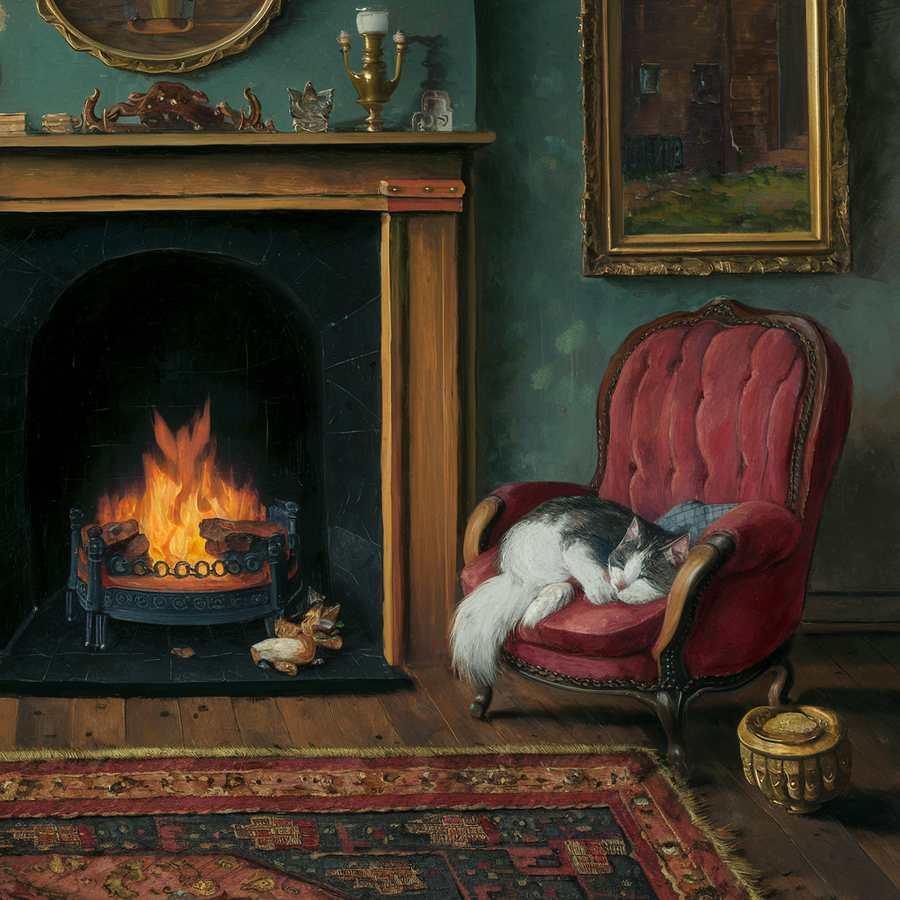
A painting figuring a cat sleeping next to the fireplace.
Abstract Style
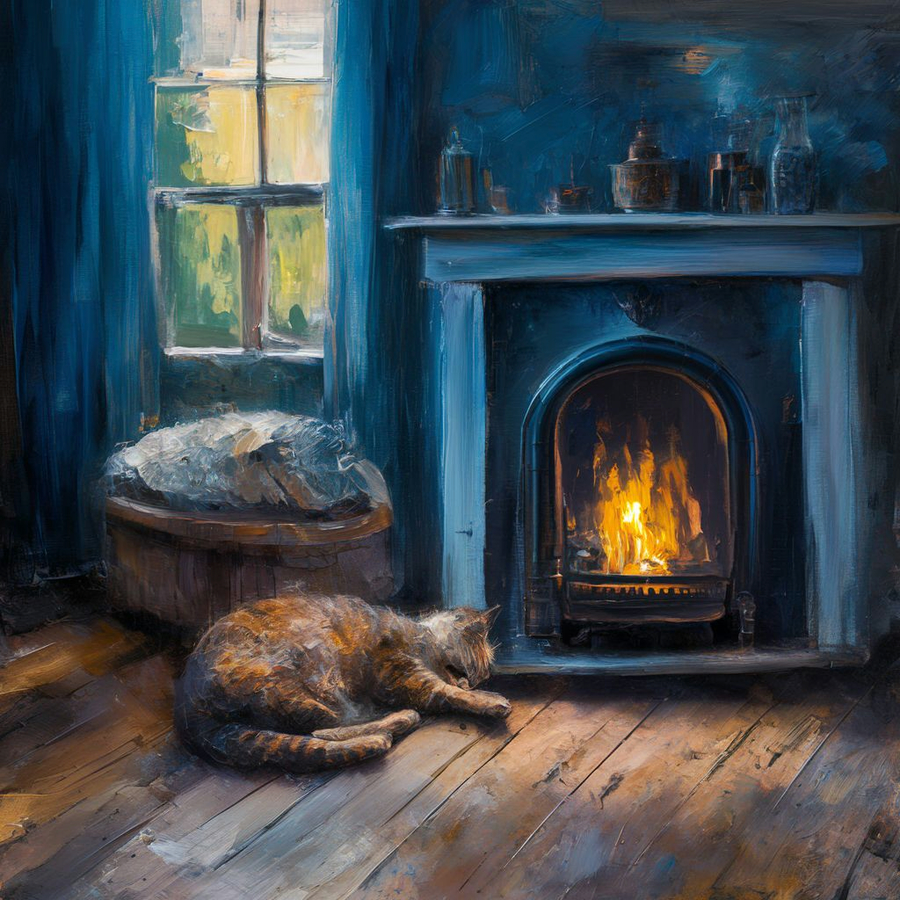
An abstract painting figuring a cat sleeping next to the fireplace.
Abstract Impasto
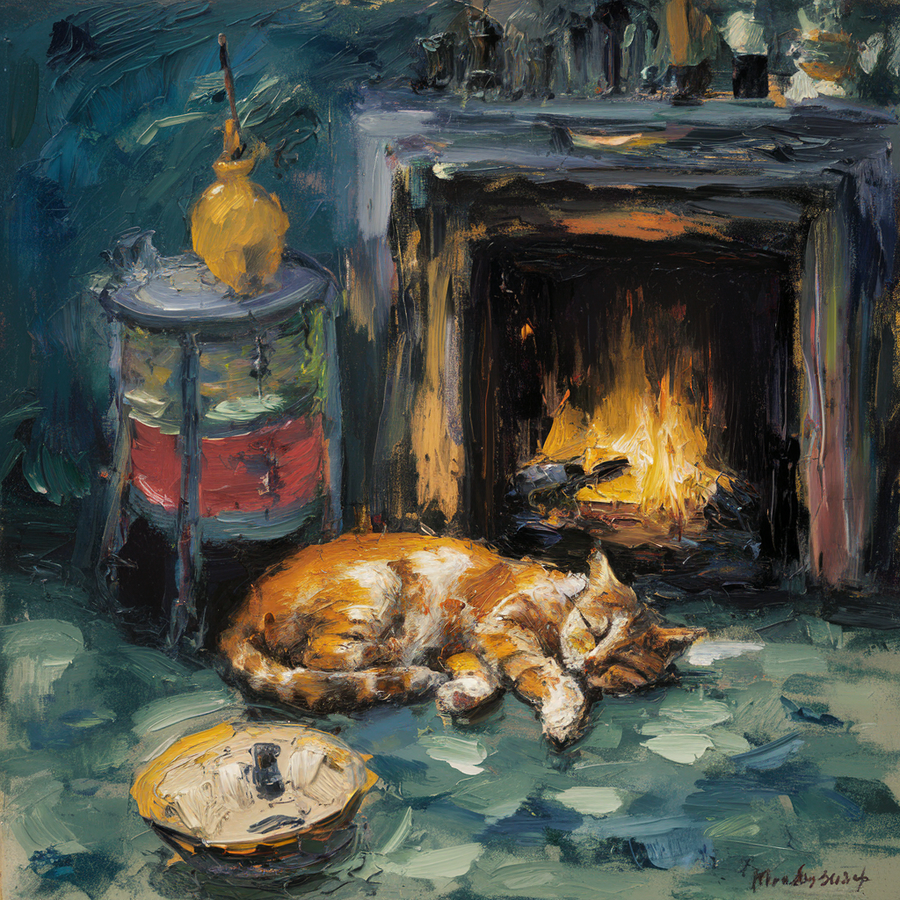
An abstract impasto painting figuring a cat sleeping next to the fireplace.
Watercolor Style
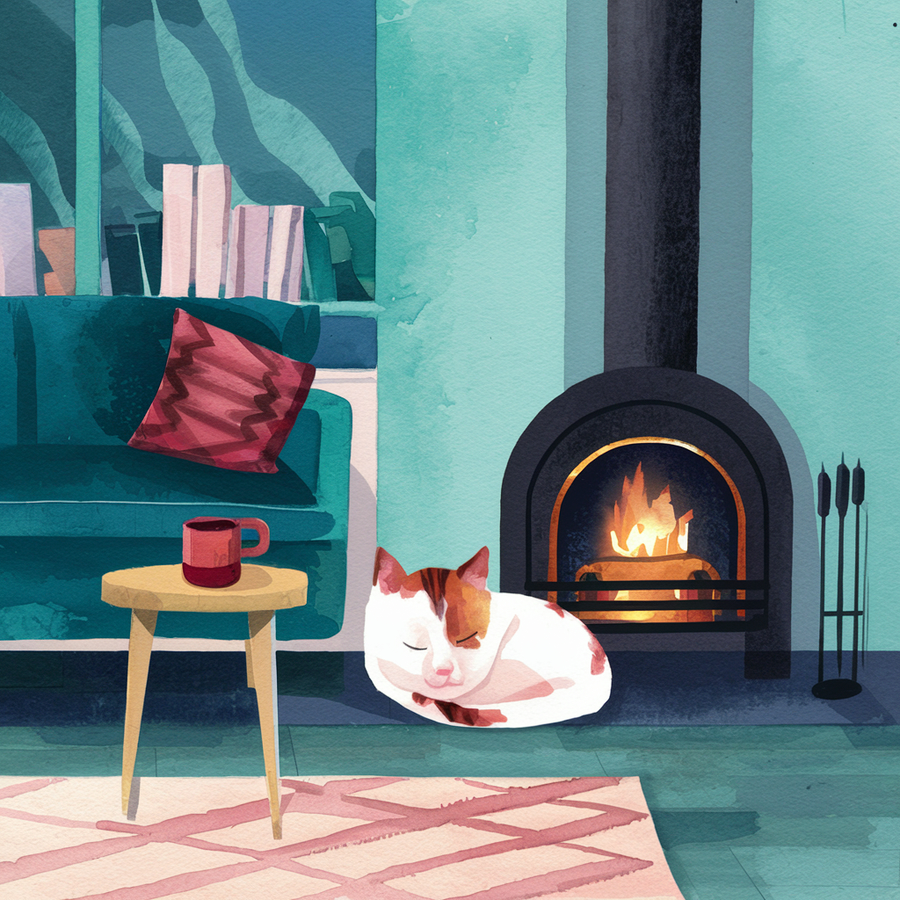
A soft minimalist watercolor painting figuring a cat sleeping next to the fireplace.
Rococo Style
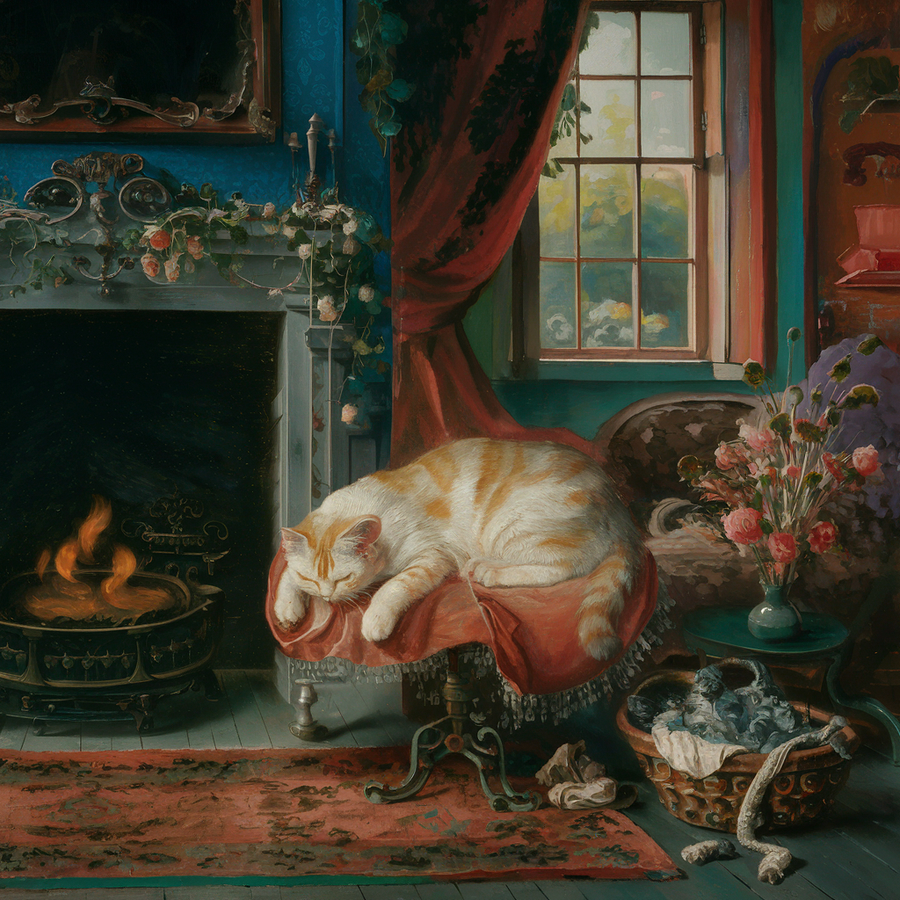
A fancy and colorful rococo painting figuring a cat sleeping next to the fireplace.
Pop Art Style
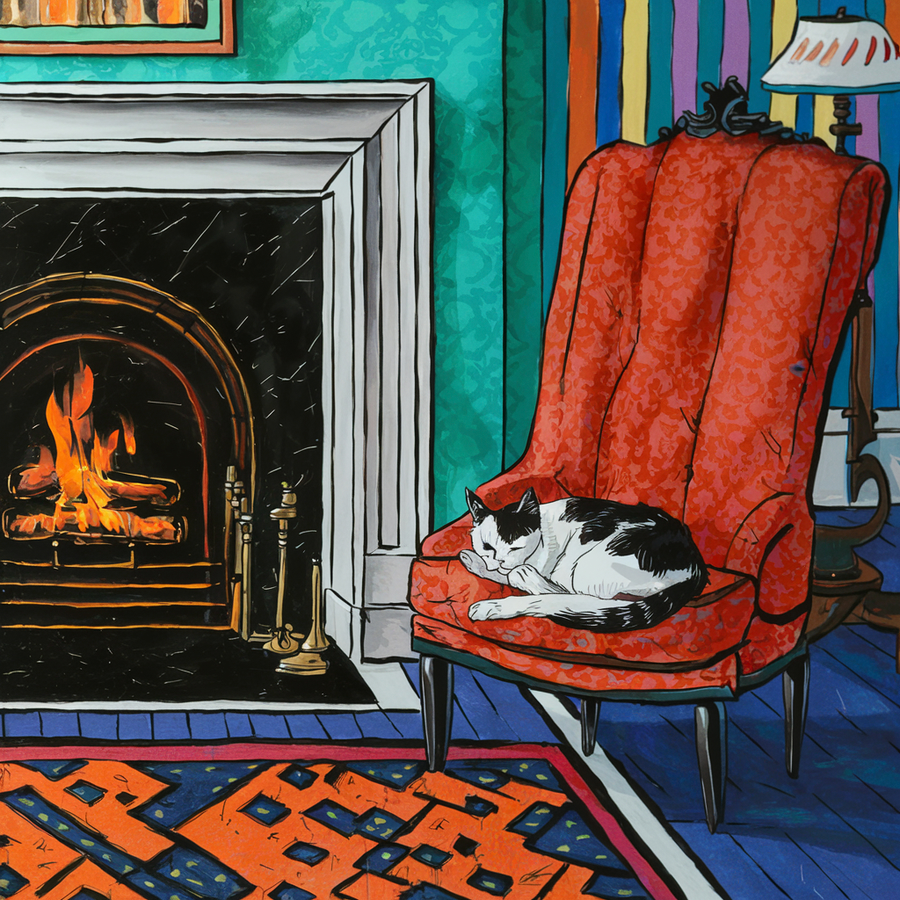
A pop art painting figuring a cat sleeping next to the fireplace.
As you can see, precision determines the kind of painting you want. The same applies to just about everything you want to put in your prompt. The more precise you are, the more likely you are to generate the image you want.
If you're short of words or inspiration, the Magic Prompt function can come in handy.
📋 In that order, please
PODgram.ai will be very observant of the instructions you put in your prompt. Here are a few examples:
Animals in Order
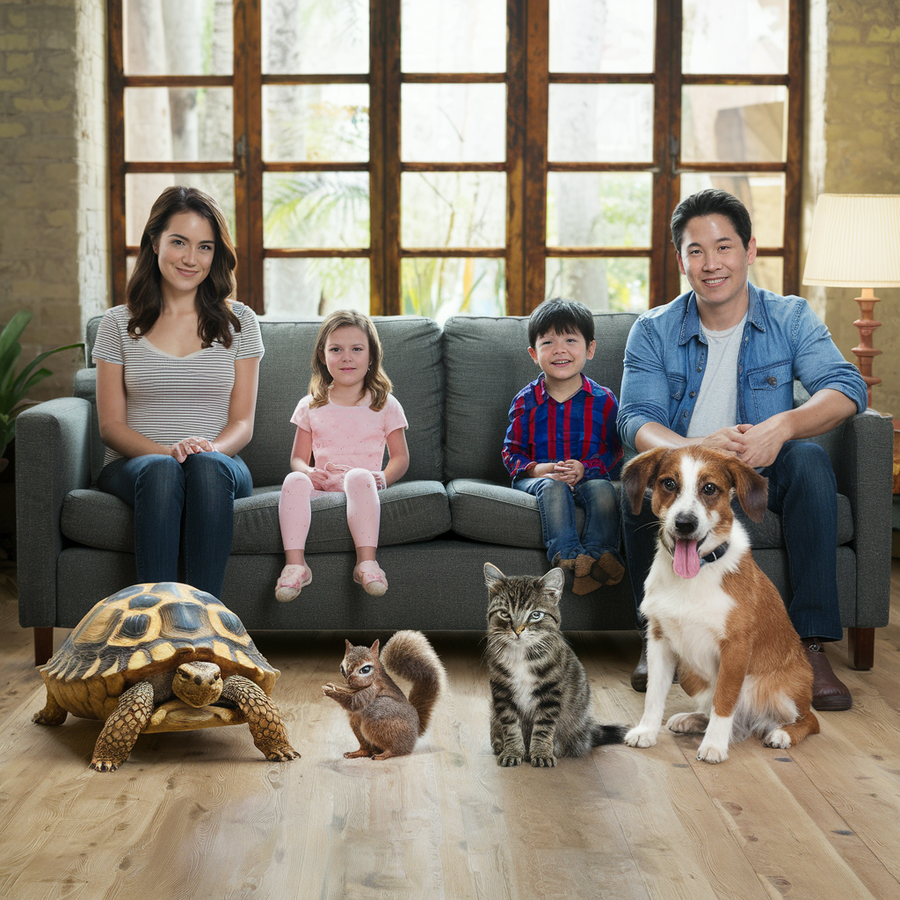
Photograph of a tortoise, a squirrel, a cat and a dog are placed in a line in front of a sofa in the living room where a woman, a little girl, a little boy and a man are sitting.
Color Model Women
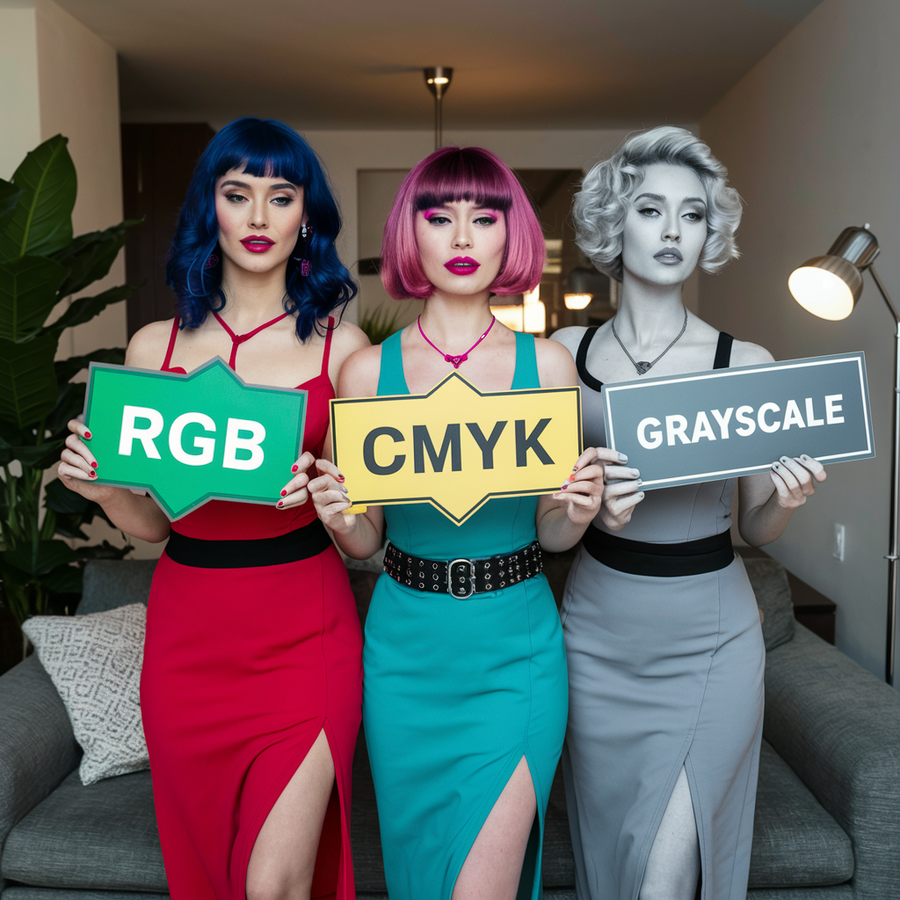
A vibrant photography featuring three women side by side. The woman on the left has deep blue hair, a red dress and holds a green sign that says 'RGB'. The one in the middle has magenta/pink hair, a cyan dress and a black belt and holds a yellow sign that says 'CMYK'. The last one is in grayscale, has a grey dress and holds a sign that says 'Grayscale'. They are standing in a living room where there's a sofa behind them a big plant on the left and a floor lamp on the right.
Jam Jars Arrangement
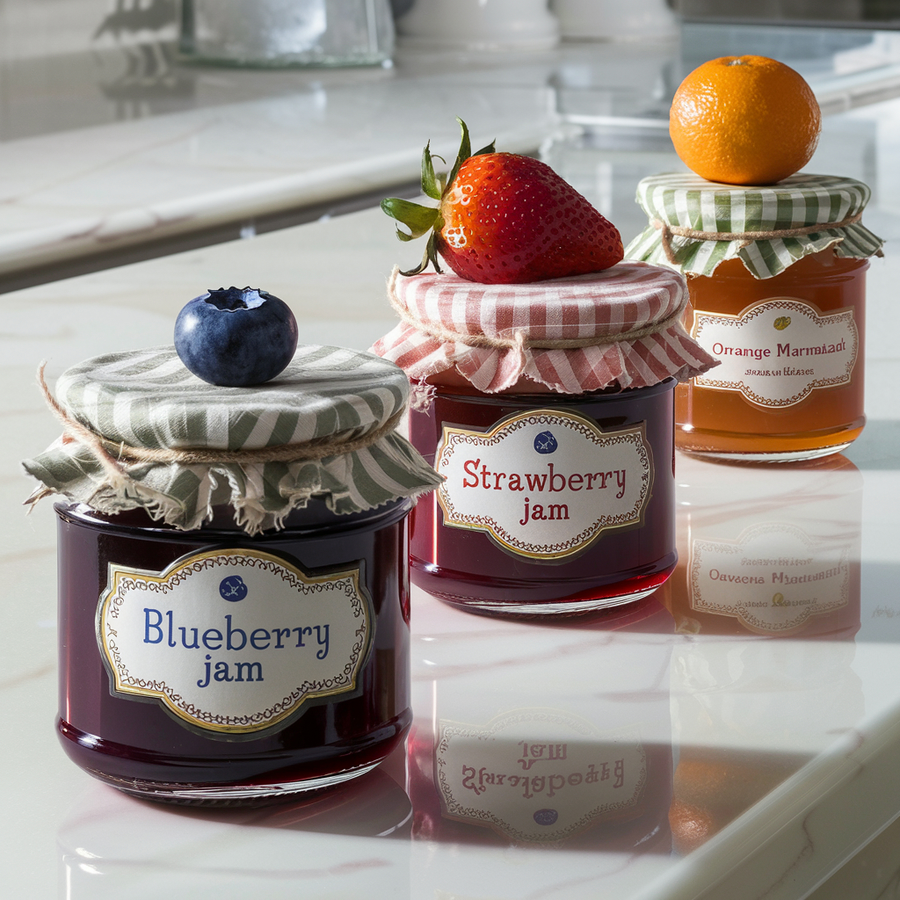
A stunning photograph of three beautifully labelled jam jars displayed on a pristine kitchen counter. The first jar on the left, in the foreground, is a blueberry jam jar, with a blueberry adorning its lid. The second jar, in the middle and slightly recessed, is a jar of strawberry jam, featuring a large, juicy strawberry as its lid decoration. The third jar, on the right and farthest back, is a jar of orange marmalade, with an orange elegantly placed on its lid. The overall atmosphere of the image is warm and inviting, with the jars' colors and labels evoking a sense of nostalgia and comfort.
See how PODgram.ai can adhere to what you describe in your prompt, often with great precision. Of course, there are times when the AI can't seem to generate exactly what you describe in your message. The following section may be able to provide you with some help.
⚠️ Avoid contradictions
In this example we will see how a simple notion or a simple word may affect the image being generated.
Here we want a photographic portrait of a young boy, from the waist up. We also want to describe as many elements and other aspects as possible.
With Contradictory Elements
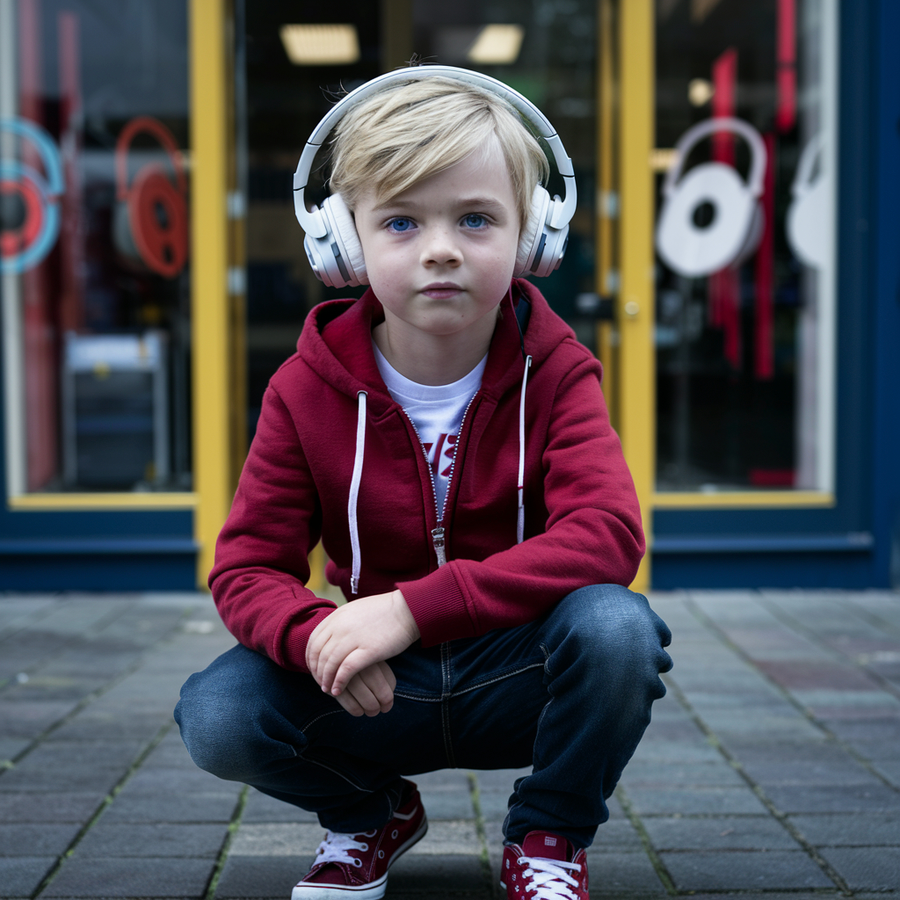
Portrait photo of a young boy blond boy, with blue eyes, wearing headphones, a deep red hoodie and jeans, and red sneakers, in front of a music store.
Removed Sneakers
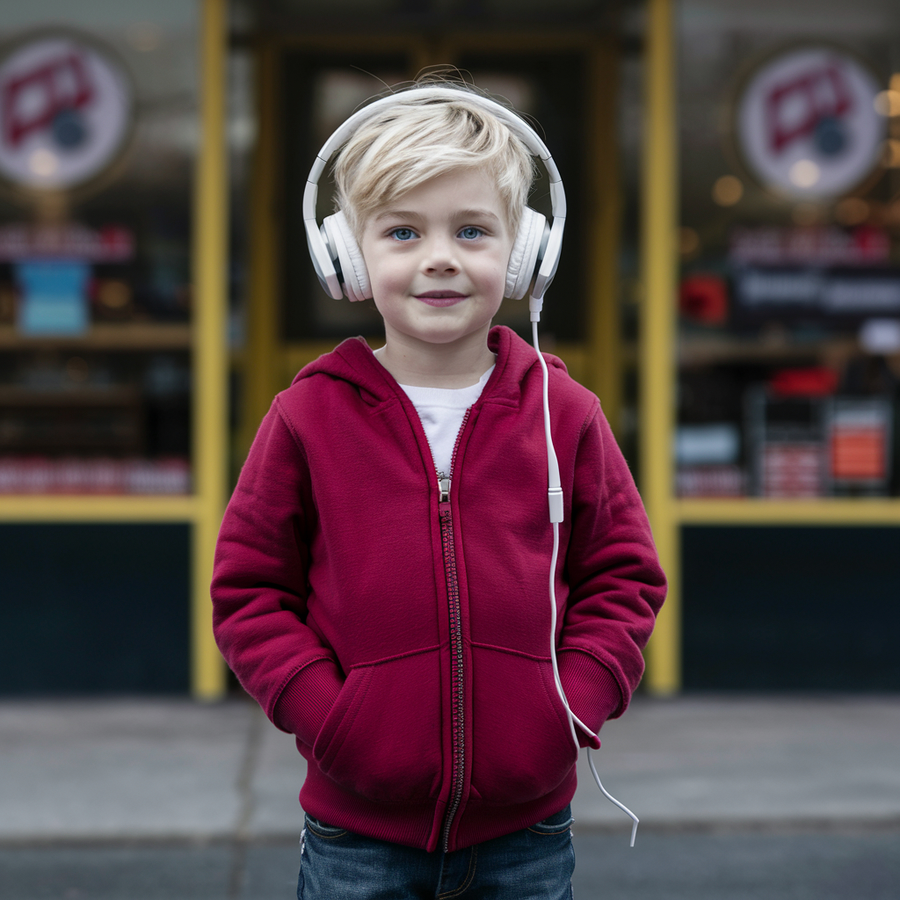
Portrait photo of a young boy blond boy, with blue eyes, wearing headphones, a deep red hoodie and jeans, in front of a music store.
Focused Description
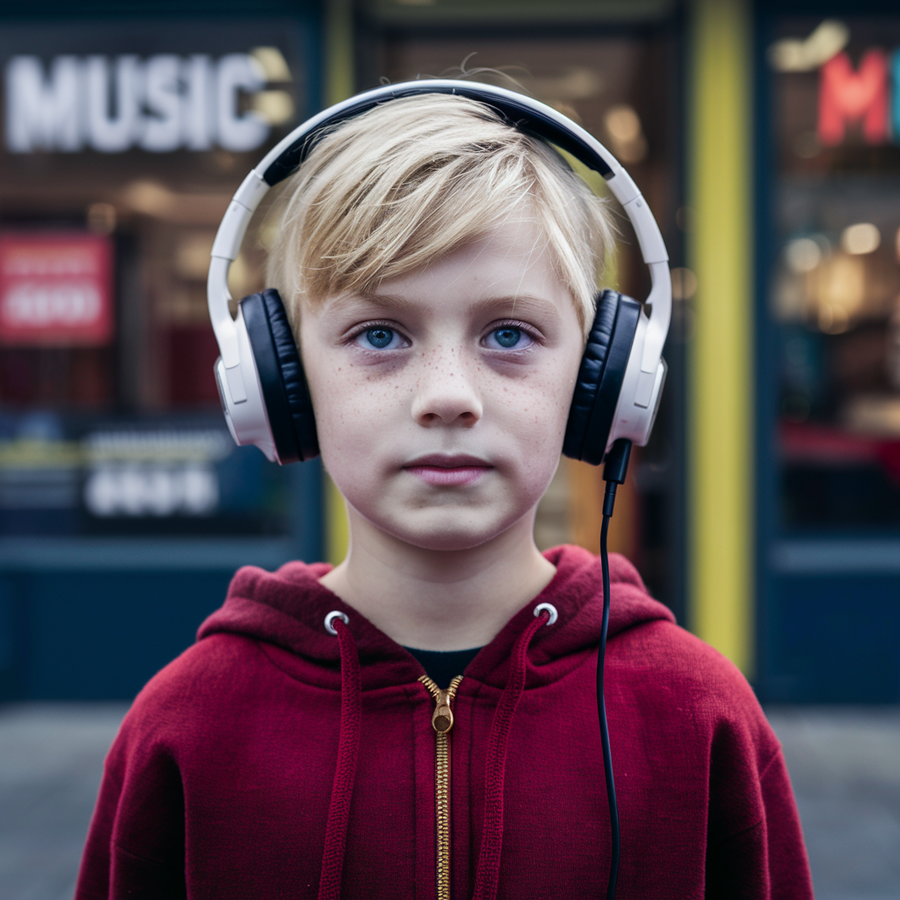
Portrait photo of a young boy blond boy, with blue eyes, wearing headphones, a deep red hoodie, in front of a music store.
Can you see the difference? If you describe something, the AI will always try to show it to you, even if you've specifically asked for a certain style that usually prevent you from seeing it. By simply removing some unnecessary descriptions, we were able to get exactly what we wanted.
📏 Gradation and relative sizes
Huge, big, normal, small, minuscule… Using the right qualifier to describe the importance of an element in an image is a simple way of defining an order of proportion. Let's look at an example:
Magazine Cover with Size Hierarchy
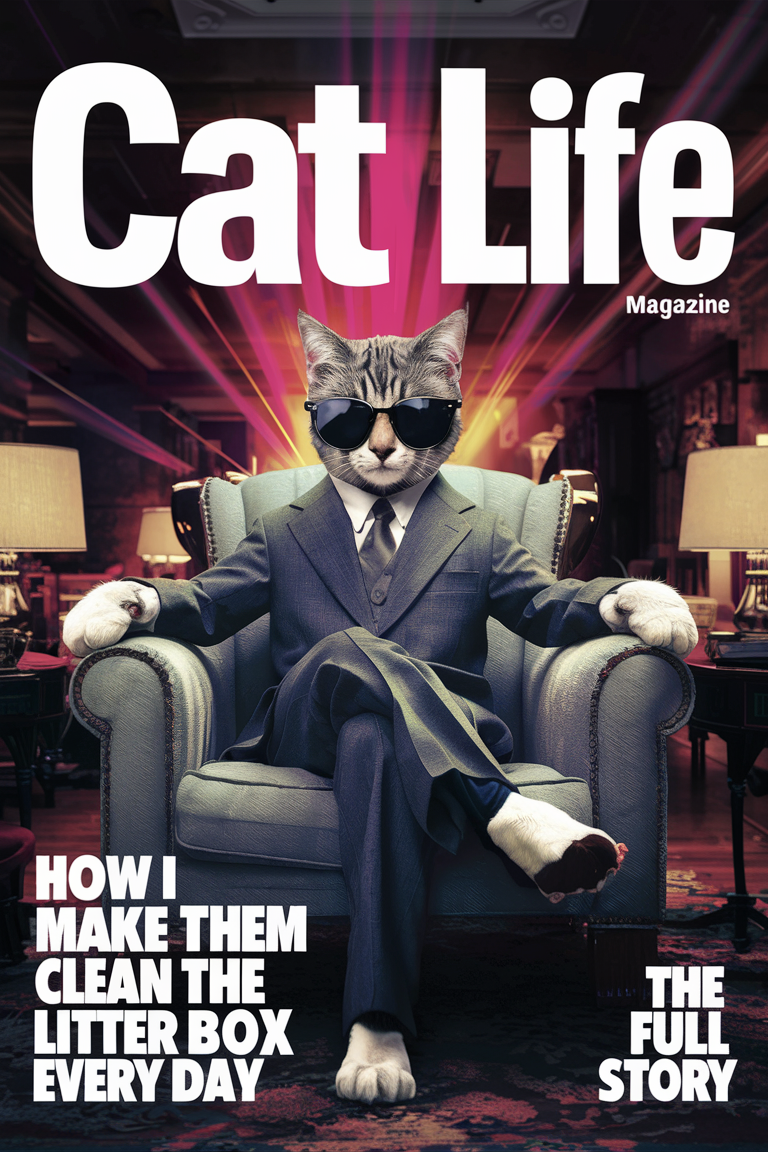
A striking and vivid magazine cover, featuring an anthropomorphic cat exuding wealth and success sitting on an armchair, a paws on each arm. The cat is dressed in a tailored suit and dark sunglasses, striking a confident pose in an opulent living room. The huge magazine modern title in sans-serif font of 'Cat Life' dominates the cover, a smaller mention 'magazine' just under it on the right side, while the big headline 'How I Make Them Clean the Litter Box Every Day' piques the reader's curiosity. The second smaller headline read: 'The full story'. The dynamic lighting enhances Mr. Whiskers' regal presence, making this a truly unique and memorable cover.
The simple way of describing the relative sizes for each text element was sufficient to produce an expected result.
Due to the complexity of the text and visual composition, this image needed more than one attempt to get it done like this.
💡 Key Takeaways
- Be Specific: The more precise your descriptions, the better your results
- Order Matters: List elements in the order you want them to appear
- Avoid Contradictions: Don't describe elements that conflict with your intended composition
- Use Size Qualifiers: Huge, big, small, tiny - these help establish visual hierarchy
- Iterate When Needed: Complex compositions may require multiple attempts
Remember, precision in prompting is what separates amateur results from professional-quality outputs. Take time to craft your prompts thoughtfully!